2022 Review: On the Failure of My Startup
It is time to restart the clock I had briefly stopped.
I opened my notebook to let go of 2022 and welcome 2023. Anxiety, tension, responsibility, helplessness: as I spent some time setting down the emotions that had surrounded me all year and catching my breath, my mind began to clear. Thoughts I had not been able to sort through started falling into place. There really are things you can only see once you stop.
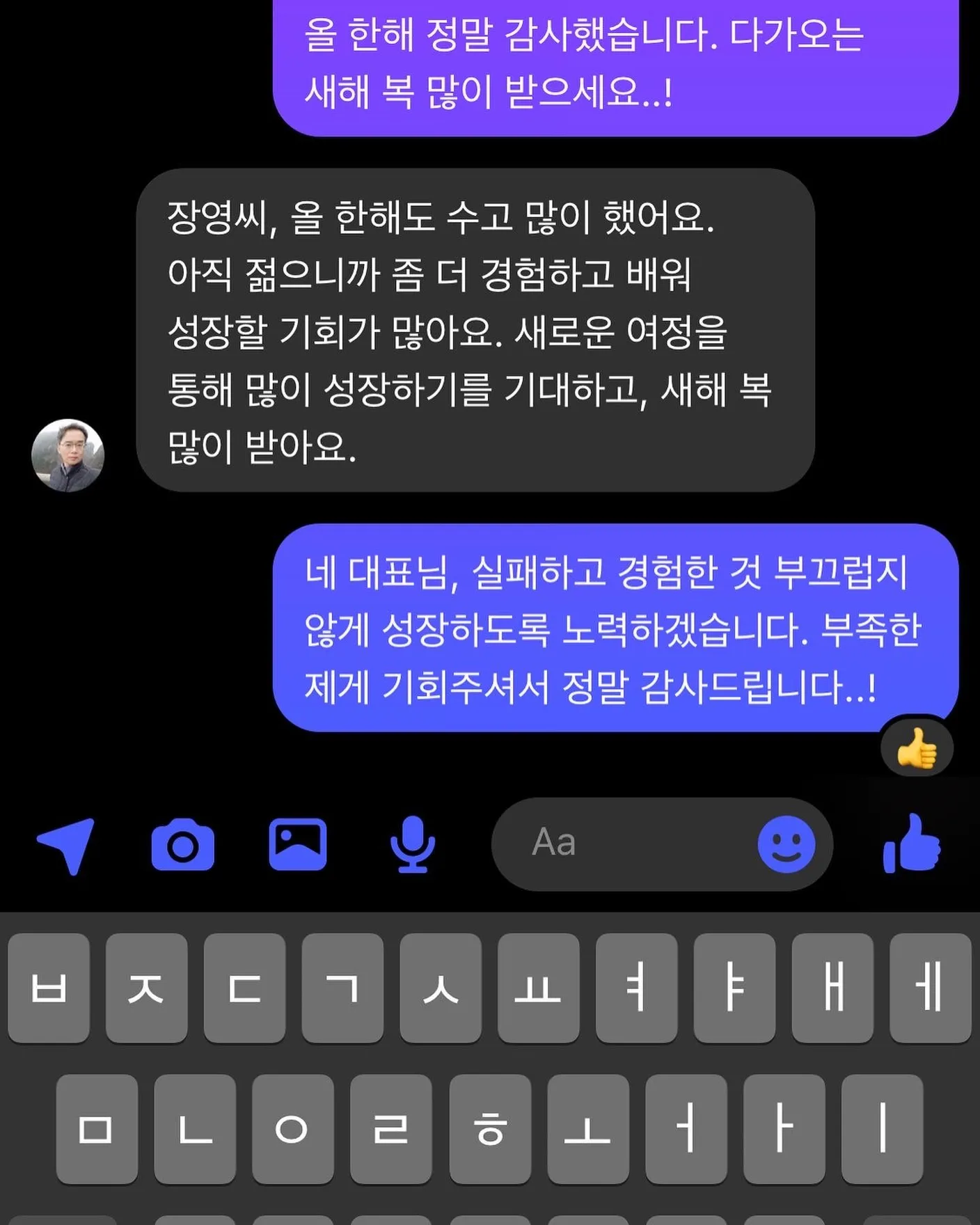
Why did we fail?
First, I lacked a clear personal goal for starting a company. I did not have a goal such as building great wealth or a determination to solve a particular customer's problem at all costs. The absence of a goal led to an unclear direction and endless wandering. I had wanted to start a company since childhood, generative AI was innovative, and a good opportunity came along. But my first startup never established a mutually reinforcing relationship between a clear personal purpose and a functioning business. It became a story of drifting instead.
Second, I compared myself with others and grew impatient. I mainly compared us with the early days of successful Silicon Valley startups, or with Korean founders of my own generation who were active at the time. Without clear internal goals, I frequently measured myself against external standards. Yet diagnosing problems or devising improvements through external comparisons did not help much with building my own business. It only made me more impatient and psychologically constrained. Working with others—and, beyond that, holding responsibility for them—required a capacity far greater than I had. Whenever I tried to contain all that pressure in my tiny vessel, it inevitably overflowed.
Third, I lacked ability and experience. Many people build excellent companies under the same conditions, so I believe this is something that time and persistence can overcome. In that sense, much of the responsibility lies with me for not holding on to the very end. Of course, perhaps I simply lack the talent to learn on my own from a position of ignorance and grow a company. But the only way to discover whether I have that talent is to throw myself into the work. That makes the experience valuable as a lesson. I need time to develop the ability and experience I am missing.
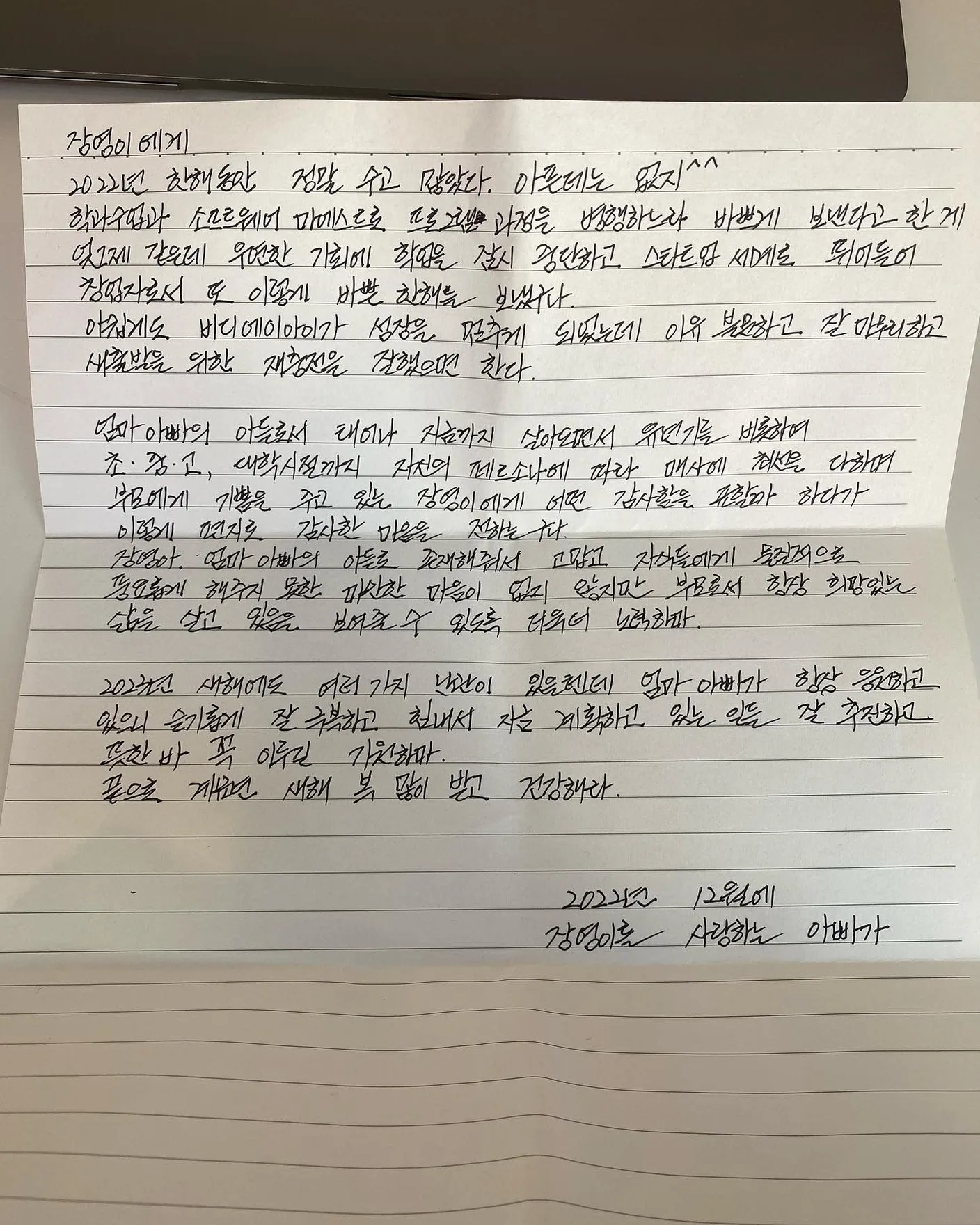
What do I want to do?
I still want to build a startup. This failure has, however, helped me identify the gaps I need to fill before starting again. I need clear goals so that intrinsic motivation becomes a powerful engine for growth, and I need to acquire the necessary ability and experience. It will not be a short process.
Honestly, I do not currently feel a strong desire to become wealthy and spend freely. Even if I did become wealthy, I suspect I would want to start another company. Money seems to function as a performance indicator, or a way of measuring impact. I admire founders who create impact. I find products that change people's lives extraordinary. Companies with all three ingredients—excellent products, people, and culture—are inspiring. I want to build a company that keeps producing innovation over a long period. A higher company valuation would surely provide greater power to make a positive contribution to society, so, if possible, I want to build a large company. It may be a reckless ambition, but it is good to aim high. That way, you can keep going for a long time without losing interest.
For now, AI seems likely to be my home base, and I expect to continue studying and gaining experience in the field. I have no doubt that AI will change how we live. After the hyperconnectivity brought by smartphones, the next paradigm will be hyperautomation through AI and robotics. Another lesson from my failure, though, is that I need a more concrete picture of the future. Strategies built on an abstract and fragmentary foundation collapse quickly. I need to translate a paradigm clearly into a specific problem, a technology, a product, a strategy, and a result.
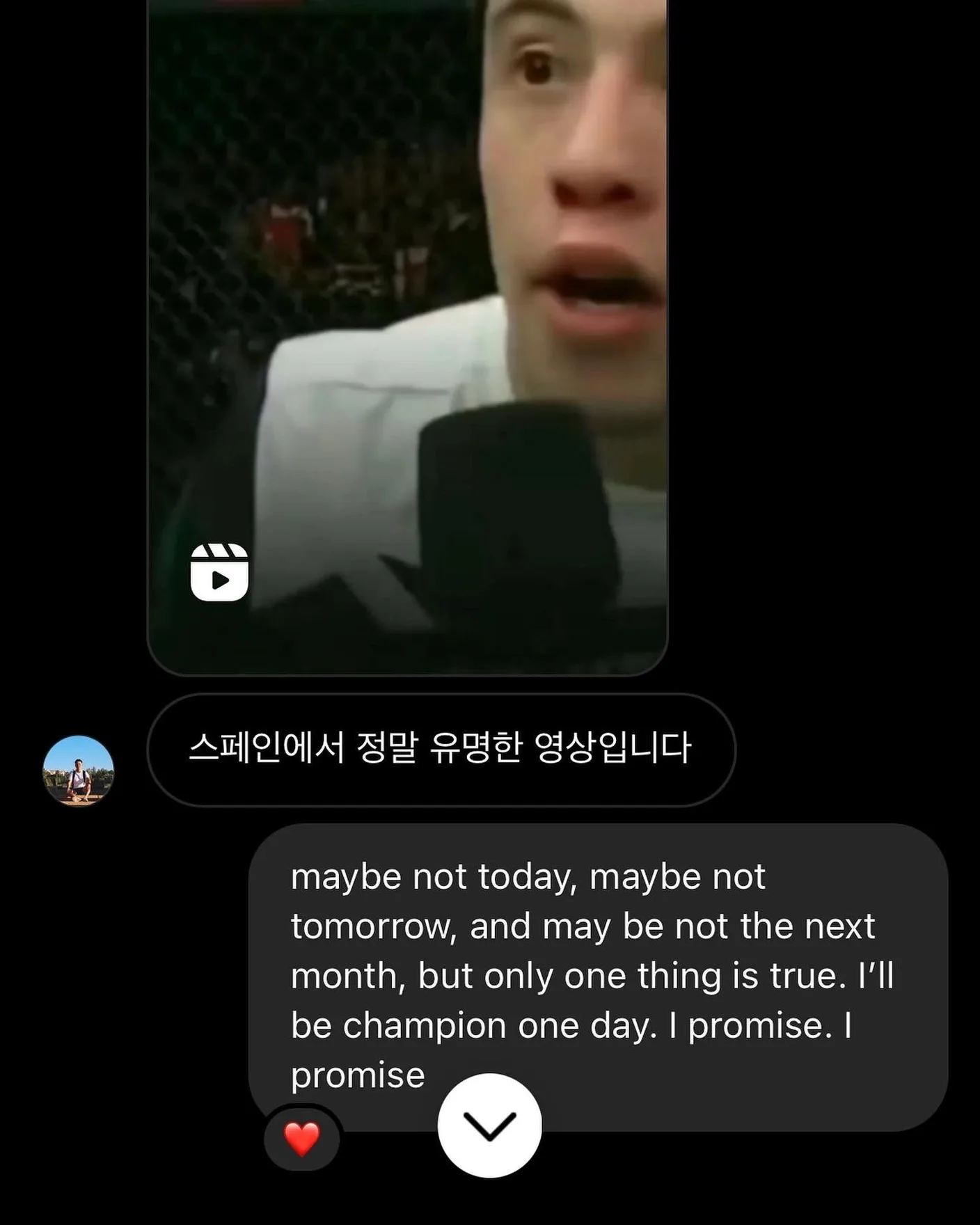
It was an enormously valuable time.
Failure is the expected outcome of taking on a challenge, and there are countless things to learn and gain along the way. But failure is not a badge of honor. It requires thorough reflection, and the same causes must not recur. When I think of the people who gave me this opportunity and those who supported me, I cannot brush it aside as simply 'a good experience.' I hope the coming year will be one in which I live in a way that does not let down the many people who encouraged me despite my reckless attempt and its failure. Goodbye, 2022. Goodbye, BiDi AI.
Comments —